How Packaging Helps Protect Supplements From Moisture and Light
How Packaging Helps Protect Supplements From Moisture and Light
The right packaging helps protect supplements from moisture, light, and premature quality loss. For U.S. vitamin and nutraceutical brands, opaque HDPE bottles, light-filtering PET containers, properly fitted closures, and suitable sealing systems can help maintain product quality throughout storage, shipping, and everyday use.
1. Why Moisture and Light Protection Matter
Humidity and light exposure can affect the appearance, texture, and stability of certain supplement ingredients. Capsules may soften, powders can clump, and sensitive vitamins may degrade over time.
| Environmental Factor | Potential Product Issue | Packaging Approach |
|---|---|---|
| Moisture | Clumping or softening | Moisture-resistant bottle and seal |
| UV Exposure | Ingredient degradation | Opaque or light-filtering bottle |
| Visible Light | Color or potency changes | Tested light-protective packaging |
| Oxygen | Oxidation | Appropriate barrier and closure |
| Repeated Opening | Moisture entering the bottle | Reliable reclosable cap |
Packaging reduces exposure, but it cannot replace formulation-specific stability testing.
2. HDPE vs. PET: Which Protects Supplements Better?
HDPE and PET are popular choices for wholesale supplement packaging. Each offers different advantages depending on the formula and retail presentation.
| Feature | HDPE Bottles | PET Bottles |
|---|---|---|
| Appearance | Usually opaque | Clear or colored |
| Moisture Barrier | Generally favorable | Depends on bottle design |
| Oxygen Barrier | Generally lower than PET | Generally favorable |
| Light Protection | Good with suitable opaque pigments | Depends on tint and additives |
| Typical Uses | Tablets, capsules, powders | Gummies, vitamins, capsules |
| Branding | Custom colors and printing | Clear display and custom colors |
For moisture-sensitive supplements, HDPE is often a practical starting point. For brands prioritizing product visibility, PET may work well when paired with an appropriate sealing system.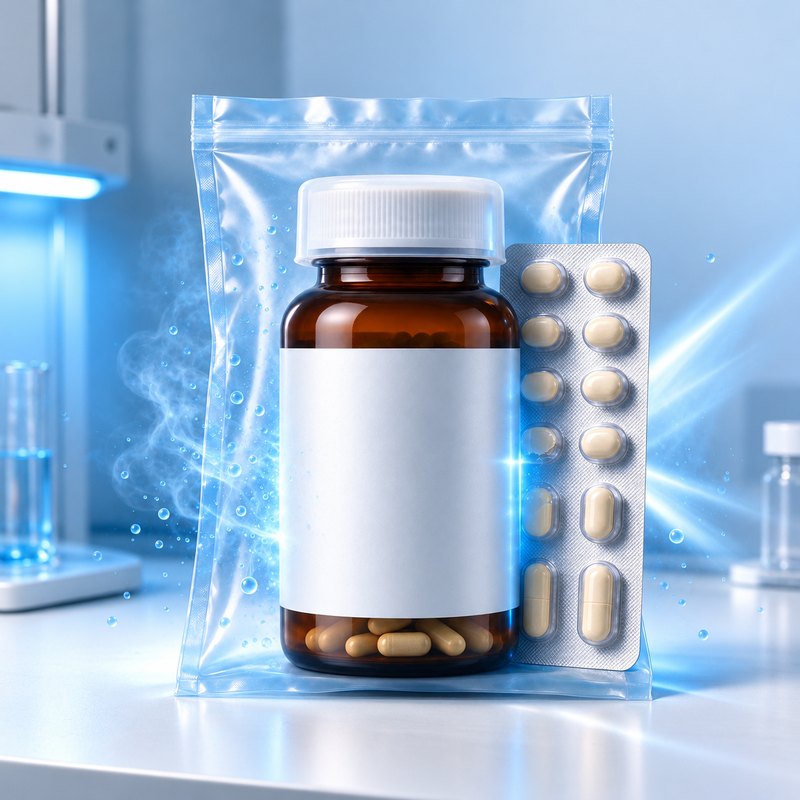
3. How Bottle Color Helps Reduce Light Exposure
Bottle color affects how much light reaches the contents. Clear packaging offers strong shelf appeal but may not suit every formulation.
| Bottle Color | Light Protection | Best-Fit Application |
|---|---|---|
| Clear | Limited without additives | Stable, display-focused products |
| Amber | Filters selected wavelengths | Light-sensitive formulations |
| Opaque White | Reduces light transmission | Daily vitamins and tablets |
| Opaque Black | Strong light-blocking potential | Selected sensitive products |
Actual protection depends on wall thickness, pigments, additives, and the wavelengths involved. Request transmission data when light stability is critical.
4. Closures, Induction Seals, and Desiccants
A protective bottle still needs the right closure. Poor cap fit or inconsistent sealing can compromise the packaging system.
| Component | Main Function | Buyer Consideration |
|---|---|---|
| Screw Cap | Reclosable protection | Neck finish and torque |
| Induction Seal | Sealed opening and tamper evidence | Liner compatibility |
| Desiccant | Helps manage internal moisture | Formula compatibility and capacity |
| Child-Resistant Cap | Restricts access by young children | Applicable testing requirements |
| Wide-Mouth Closure | Convenient filling and dispensing | Seal integrity |
For moisture-sensitive gummies, capsules, and powders, test the complete package rather than evaluating the bottle alone.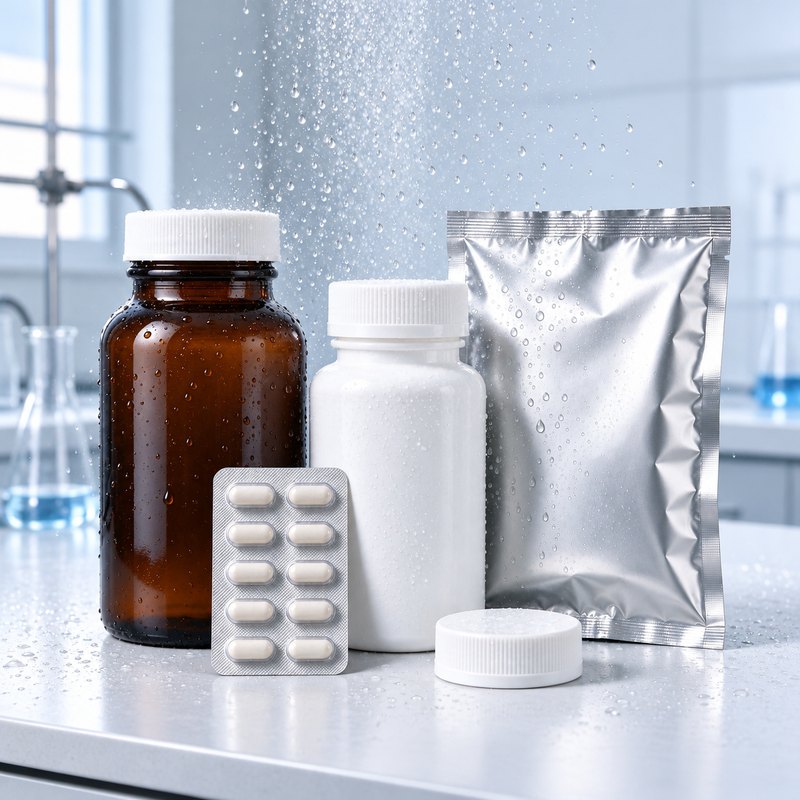
5. Match Packaging to Your Supplement Formula
Different supplement formats have different storage requirements.
| Supplement Type | Main Concern | Packaging Starting Point |
|---|---|---|
| Vitamin Tablets | Moisture and light | Opaque HDPE bottle |
| Capsules | Humidity exposure | Sealed HDPE or PET bottle |
| Gummies | Texture and sticking | Compatible bottle with moisture control |
| Softgels | Oxidation and light | Tested light-protective container |
| Protein Powder | Clumping | Wide-mouth moisture-resistant jar |
These are general sourcing recommendations. Final selection should reflect actual product stability data and intended shelf life.
6. Source Protective Supplement Packaging From Unalilia
At Unalilia Packaging, we supply HDPE and PET supplement bottles, pill containers, powder jars, and compatible closure options for vitamin and nutraceutical brands.
Our customization services include bottle colors, silk-screen printing, labeling, and packaging coordination.
For U.S. brands launching new products or upgrading existing packaging, we recommend reviewing bottle material, closure compatibility, sample availability, and wholesale pricing before production.
Explore our Supplement Packaging Solutions or contact Unalilia to request samples and a packaging quotation.
FAQ
1. Which bottle material is better for moisture-sensitive supplements?
HDPE is often a good starting point, but the complete package must be tested against the product's moisture requirements.
2. Do amber bottles protect vitamins from light?
Amber bottles can reduce transmission of certain wavelengths. Protection varies by material, tint, and bottle design.
3. Does an induction seal make a supplement bottle moisture-proof?
No. It can improve initial package sealing, but overall moisture protection depends on the entire packaging system.
4. Do gummy supplements need desiccants?
Some formulations benefit from desiccants, while others may be adversely affected by excessive drying. Confirm compatibility through testing.
5. Can Unalilia customize protective supplement bottles?
Yes. Unalilia offers custom bottle colors, printing, labeling, and compatible closure options for supplement packaging projects.