By unalilia | 18 August 2026 | 0 Comments
Why transparency in the supply chain is the new B2B competitive advantage
Why transparency in the supply chain is the new B2B competitive advantage
Supply‑chain transparency builds trust and lowers risk for US importers. As a reliable cosmetic bottle supplier, Unalilia shares how open factory practices become a powerful competitive edge for B2B packaging partnerships.
Today’s American beauty, supplement and food brands face growing pressure from Amazon compliance rules, consumer sustainability demands and unpredictable global logistics. Many overseas packaging vendors keep production steps, raw‑material sources and delay reasons hidden behind vague replies. Buyers only discover problems after deposits are paid or containers arrive with defects. Hidden workflows create costly surprises: unknown material origins, unreported production bottlenecks and unclear liability when something goes wrong. Working with a fully transparent cosmetic bottle supplier removes these blind spots. Unalilia shares material records, production updates and risk alerts openly for US brand partners.
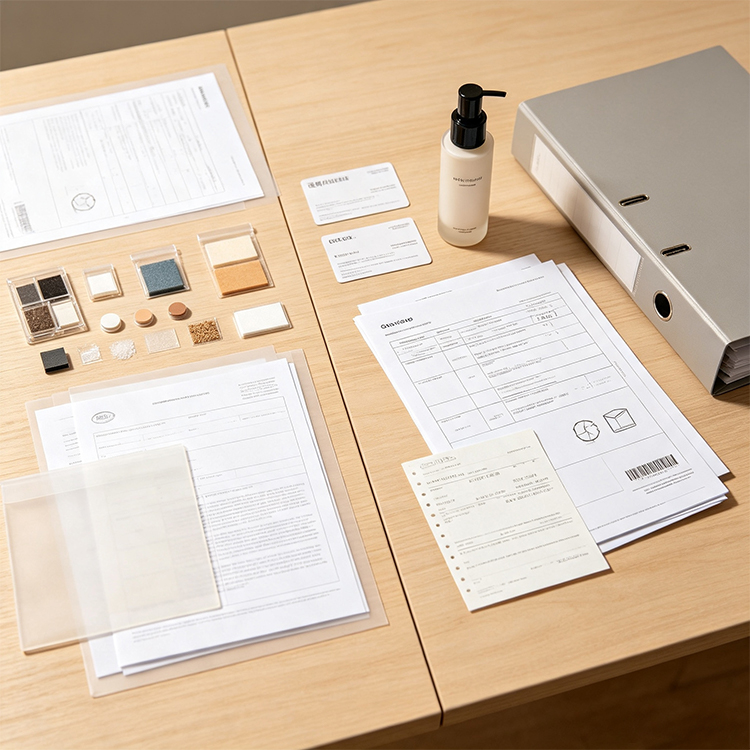
Supply‑Chain Transparency Comparison Table (Text Format)
Column Headers: Supply‑Chain Factor, Low‑Transparency Supplier, Transparent Supplier (Unalilia Standard), Business Outcome For US Brands
Row1: Raw material traceability | No material certificates provided upon request | Full batch‑specific material & safety documentation | Meet FDA, Amazon and retail compliance requirements
Row2: Real‑time production visibility | Rare updates; no milestone breakdown | Scheduled progress updates, photos at key stages | Early warning for potential shipment delays
Row3: Delay root‑cause communication | Generic excuses, hide true bottlenecks | Honest root‑cause explanation plus corrective plans | Brands can adjust launch timelines proactively
Row4: Sub‑contracting disclosure | Outsource work without buyer notification | Disclose any third‑party processing up front | Avoid unknown quality shifts from hidden sub‑factories
Row5: Defect & quality data | Withhold reject rates and test results | Share AQL inspection reports and batch data | Make informed buying decisions based on real metrics
Row6: Sustainability documentation | Broad green claims with no supporting proof | PCR, recyclable material certificates available | Back‑up eco‑marketing for US‑facing consumer campaigns
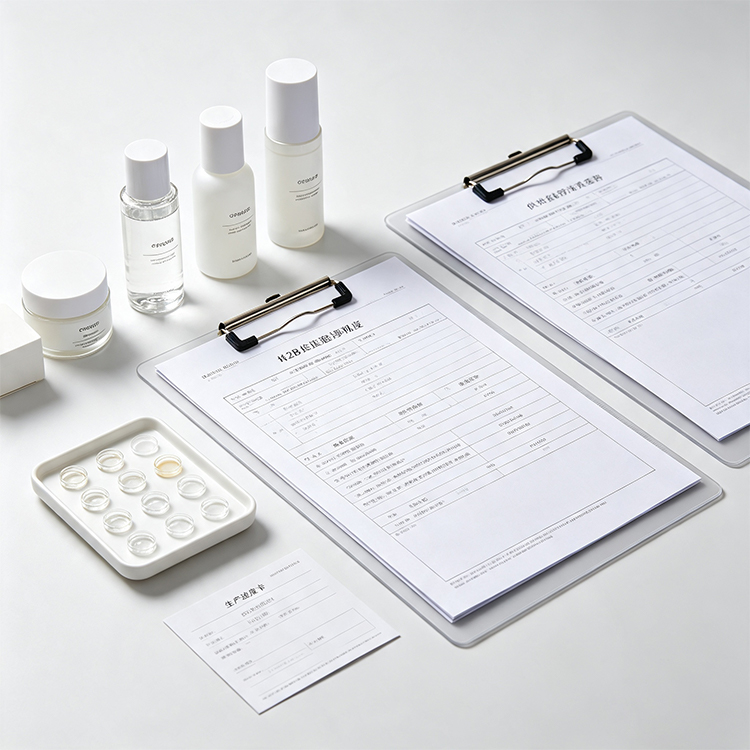
This side‑by‑side breakdown shows why open supply‑chain practices deliver tangible business value beyond basic product pricing. As a full‑service cosmetic bottle supplier, Unalilia maintains traceable workflows for cosmetic bottles, cream jars and custom printed packaging. Clients receive access to material certificates, in‑production snapshots and pre‑shipment QC records. Explore our product catalog for your next custom packaging run at https://unalilia.com/plastic‑bottle.
Three practical benefits make supply‑chain transparency a key B2B advantage for US brands. First, documented traceability helps you pass marketplace audits and avoid customs holds. Second, honest advance notice of bottlenecks lets you tweak marketing calendars or arrange backup inventory instead of scrambling after missed deadlines. Third, verifiable material and sustainability data gives your brand credible talking points for shoppers focused on responsible sourcing. In crowded DTC markets, your customers increasingly care about where their product packaging comes from. Partnering with an open cosmetic bottle supplier protects both your supply chain stability and your brand reputation.
FAQ
-
What simple questions can US buyers use to test a packaging supplier’s transparency? Ask for batch‑specific material certificates, recent inspection reports and clear explanations if production delays occur, as a trusted cosmetic bottle supplier should provide these readily.
-
As a cosmetic bottle supplier, will Unalilia notify me if part of my order needs external sub‑contracting? Yes. We fully disclose any outside processing work before order confirmation so US clients understand the full production workflow.
-
Does supply‑chain transparency always mean higher packaging unit prices? Not necessarily. Transparency reduces hidden risk‑related costs such as rework, returns and compliance penalties, often lowering total cost of ownership.
-
How does supply‑chain transparency support US brand sustainability marketing? Verified PCR, recyclable or food‑grade documentation lets you prove eco‑friendly claims instead of relying on vague marketing language.
-
What red flags signal low supply‑chain transparency from a packaging manufacturer? Repeated refusal to share certificates, evasive answers about delays and undisclosed subcontracting are major warning signs for US importers.
How to spot "Greenwashing" in the packaging industry.
How to negotiate payment terms with B2B packaging suppliers?
Leave a Reply
Your email address will not be published.Required fields are marked. *